Understanding and Addressing Mold in Apartment Buildings
Why Mold Is a Persistent Problem in Multi-Unit Housing
If you live in an apartment building and notice a musty odor that just won't go away, you are not alone. Mold in apartment building environments is more common than many tenants realize. The shared walls, centralized HVAC systems, and sometimes inconsistent maintenance create conditions where moisture can linger and mold can take hold. I have worked on countless remediation projects in Massachusetts, and I can tell you that the challenges in a multi-unit building are different from those in a single-family home. The stakes are higher too, because one unit's problem can quickly become a building-wide issue.
Mold needs three things to grow: moisture, a food source, and the right temperature. Apartment buildings often provide all three in abundance. Leaky pipes behind drywall, condensation on windows, and even steam from cooking can introduce enough water to support colonies of Cladosporium or, in more serious cases, Stachybotrys chartarum. The latter is the infamous black mold that people worry about most, and while it is not as common as some think, it is certainly a risk when water damage goes unaddressed for weeks or months.
The Hidden Nature of Mold in Apartments
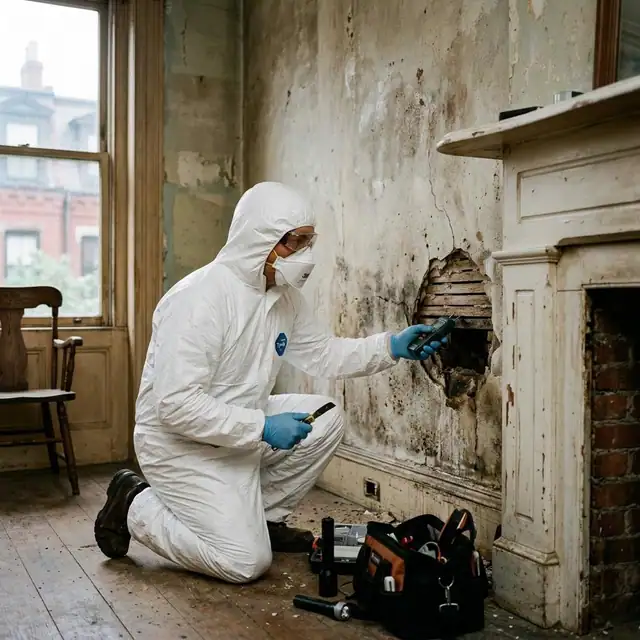
One of the trickiest aspects of dealing with mold in apartment building situations is that much of the growth happens out of sight. Mold can thrive inside wall cavities, under flooring, and within the HVAC system itself. I recall a job in Boston where a tenant complained of persistent allergy symptoms. The visible areas of the apartment looked clean, but when we opened up a section of fiberboard behind a kitchen cabinet, we found extensive growth. The moisture source was a slow leak from a pipe in the wall that had been dripping for months. The tenant had no idea, and the landlord assumed everything was fine because there was no obvious water stain or musty odor yet.
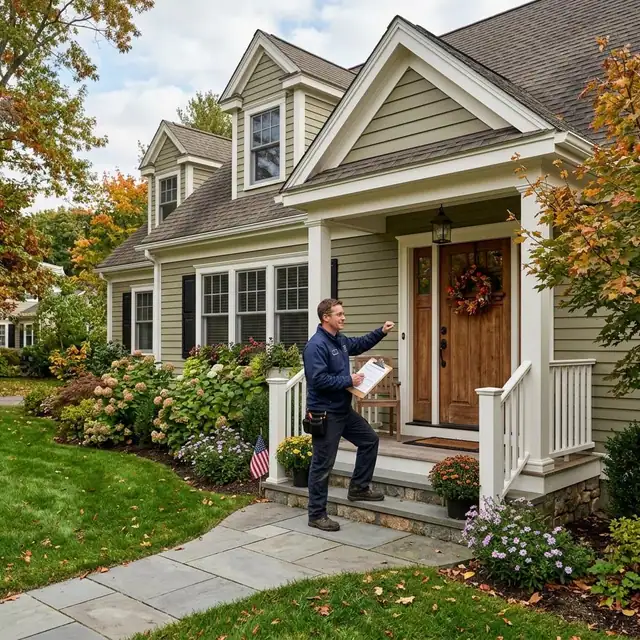
This is why a simple visual inspection is often not enough. Professional Mold Inspection tools like moisture meters and borescopes can reveal hidden problems. But for tenants, the first clue is often a physical response: headaches, coughing, or worsening asthma symptoms. The CDC has published clear guidance linking mold exposure to respiratory issues, especially in children and the elderly. If you or your family members start feeling unwell only when inside the apartment, mold could be the culprit.
Common Mold Types You Might Encounter
Not all mold is the same. Cladosporium, for example, is a very common outdoor mold that can grow indoors on damp surfaces like window frames or bathroom tiles. It is usually black or olive-green and thrives in cooler temperatures. Stachybotrys chartarum, the black mold I mentioned earlier, prefers materials with high cellulose content, like drywall or fiberboard. It needs prolonged moisture to grow, so its presence usually indicates a chronic water problem. Other types like Aspergillus and Penicillium are also common indoors. Interestingly, lichen is not a mold at all, but a symbiotic organism combining fungus and algae. It sometimes appears on outdoor walls but is generally harmless and not a sign of indoor mold problems.
Why Bleach Is Not the Answer
One of the most common mistakes I see is people reaching for bleach to clean mold. Bleach is effective on hard, non-porous surfaces like glass or tile, but on porous materials like drywall, wood, or fiberboard, it can actually make things worse. Bleach is mostly water. When you apply it to a porous surface, the water soaks in, feeding the mold deeper into the material, while the chlorine quickly evaporates. The mold may appear gone on the surface, but it will grow back, often stronger. A better approach for small areas is to use a detergent solution or a mixture of water and white vinegar. For more stubborn growth, Hydrogen peroxide or specialized mold removal products are safer and more effective.
For large areas or hidden mold, Mold Remediation by a professional is the safest route. The EPA guidelines recommend that any mold covering more than about ten square feet should be handled by a trained contractor. This is especially true in apartment buildings where containment is critical. You do not want mold spores spreading through the HVAC system to other units during a cleanup attempt.
Prevention Starts with Moisture Control
The single most effective strategy for preventing mold in apartment building is moisture control. This is the foundation of everything else. Fix leaks immediately, dry out wet areas within 24 to 48 hours, and maintain indoor humidity below 60 percent. A dehumidifier can help in basements or units with poor ventilation. In bathrooms, using an exhaust fan during and after showers makes a big difference. Some buildings in Boston have installed epoxy paint on bathroom walls to create a moisture barrier, which is a smart investment.
Tenants can also help by reporting leaks and condensation issues promptly. I have seen situations where a small drip under a sink turned into a major mold problem simply because no one told the maintenance team. Landlords should ensure that the HVAC system is properly maintained and that air filters with HEPA filter ratings are used where possible. HEPA filters can capture mold spores, preventing them from circulating through the building. This improves Indoor Air Quality for everyone.
When to Call a Professional
If you discover mold in an apartment building, the first step is to identify the source of moisture. Sometimes that is obvious, like a burst pipe. Other times it is more subtle, like condensation from an HVAC duct. Once the moisture source is fixed, the mold can be removed. But if the affected area is large or the mold is in a hard-to-reach place like inside a wall or an HVAC system, professional help is necessary.
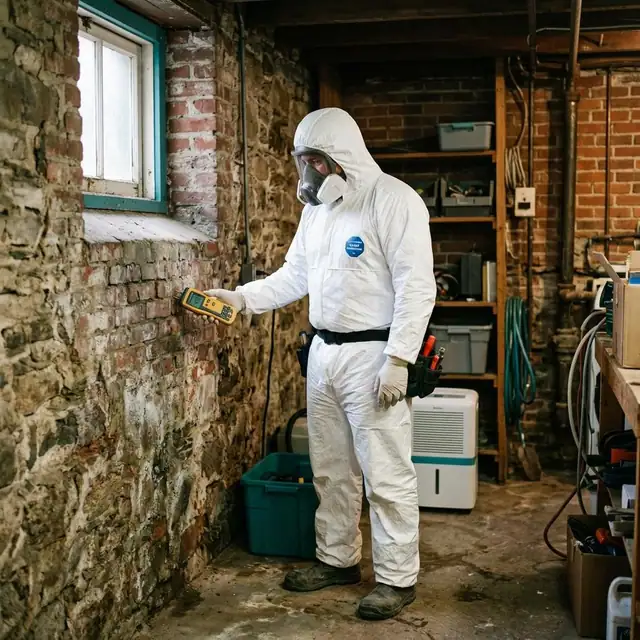
In Boston and throughout Massachusetts, there are regulations that require landlords to maintain rental units free of mold and other hazards. A good Mold Inspection can document the problem and help tenants advocate for repairs. Mold Remediation contractors use containment barriers, negative air pressure, and HEPA-filtered vacuums to remove mold safely without spreading spores. They also follow EPA guidelines to ensure the job is done right.
Final Thoughts
Living with mold in an apartment building is not just unpleasant, it can be unhealthy. But the problem is solvable. With prompt attention to moisture, proper cleaning methods, and professional help when needed, apartments can be made safe again. If you are a tenant, do not hesitate to speak up. If you are a landlord, take proactive steps to prevent moisture issues before they become mold problems. Everyone deserves to breathe clean air in their own home.